Check the document that the reader will actually open
Multi-agent production needs evidence-preserving handoffs and inspection after rendering.
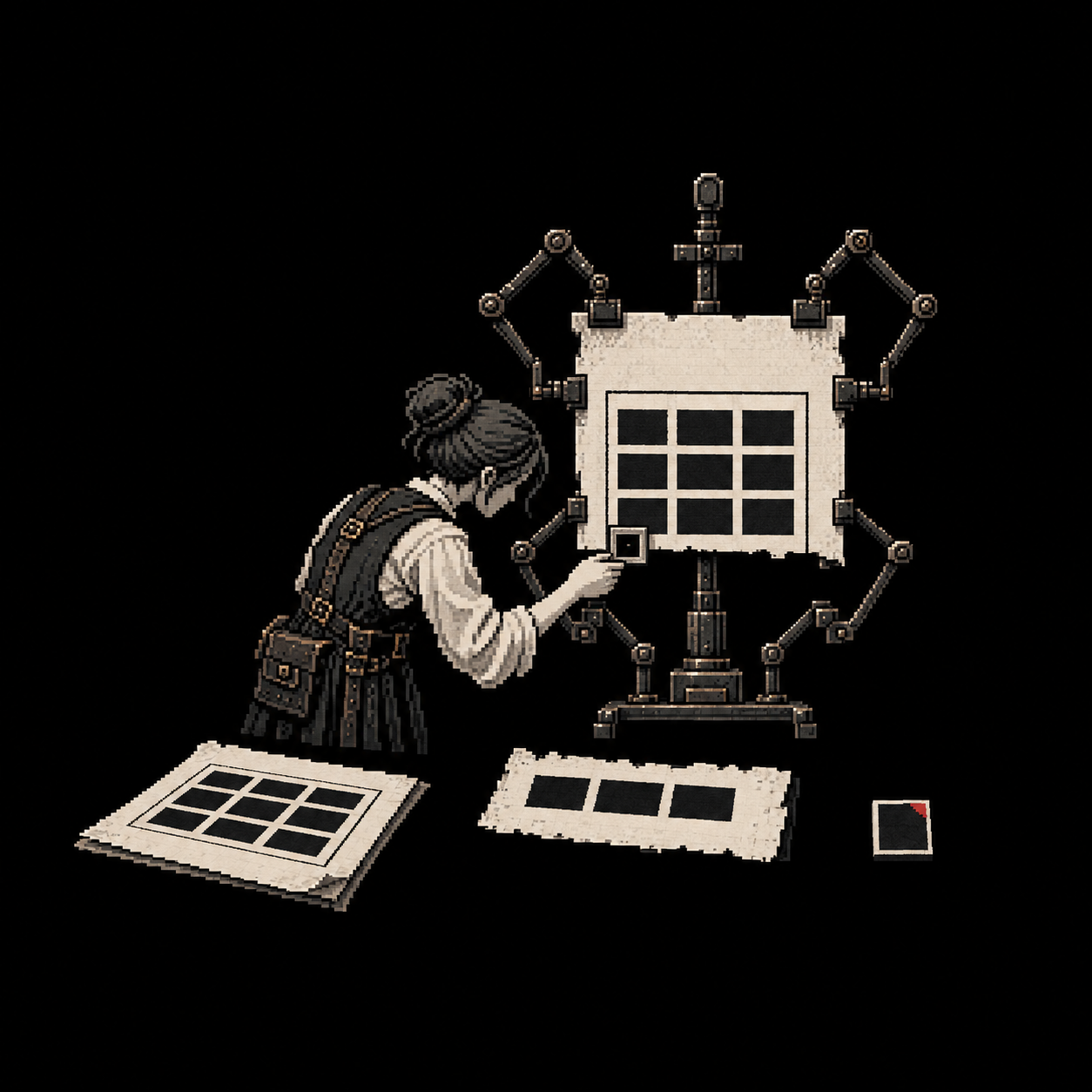
The report’s source file contains every required section. Its exported PDF cuts a table in half, places a caption on the wrong page, and reduces the footnotes until they are difficult to read. A text-only review can accept the source while missing the defects the recipient will encounter immediately.
Document production crosses several representations. Research becomes claims, claims become prose and tables, and those elements become a file whose layout depends on fonts, styles, page dimensions, and rendering behavior. Each conversion can introduce a different kind of error. A complete workflow needs checks at those boundaries and at the final visible artifact.
The retained February document-production design separates reading, content development, document preparation, population, and visual verification across agent roles. It establishes a proposed workflow with final inspection, rather than proof of an executed five-agent application. The useful principle is role separation with explicit handoffs; the number of agents is incidental.
Give each role a checkable output
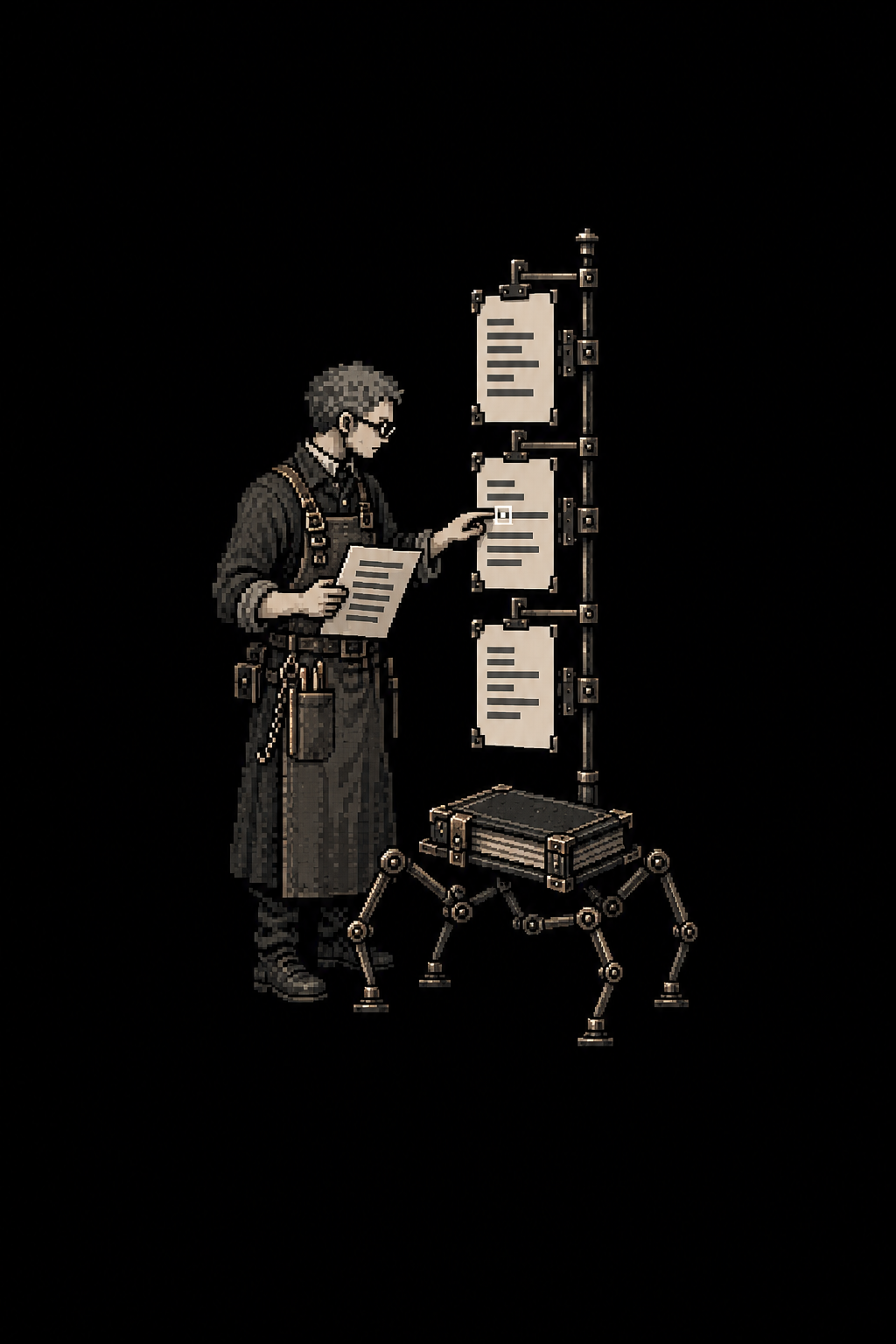
A research worker should deliver claims with supporting sources and qualifications. The writing worker needs those relationships, the intended reader, and the document’s purpose. A formatting worker needs the accepted content and a defined visual system, while the final reviewer needs the evidence relationships that can disappear when each worker receives only a polished summary of the preceding work.
Keep the accepted content version identifiable. If a writer changes a number after a chart has been generated, the chart needs rebuilding and checking. If a formatter changes a heading, its table-of-contents entry may also need updating. Record dependencies where a later artifact relies on an earlier one.
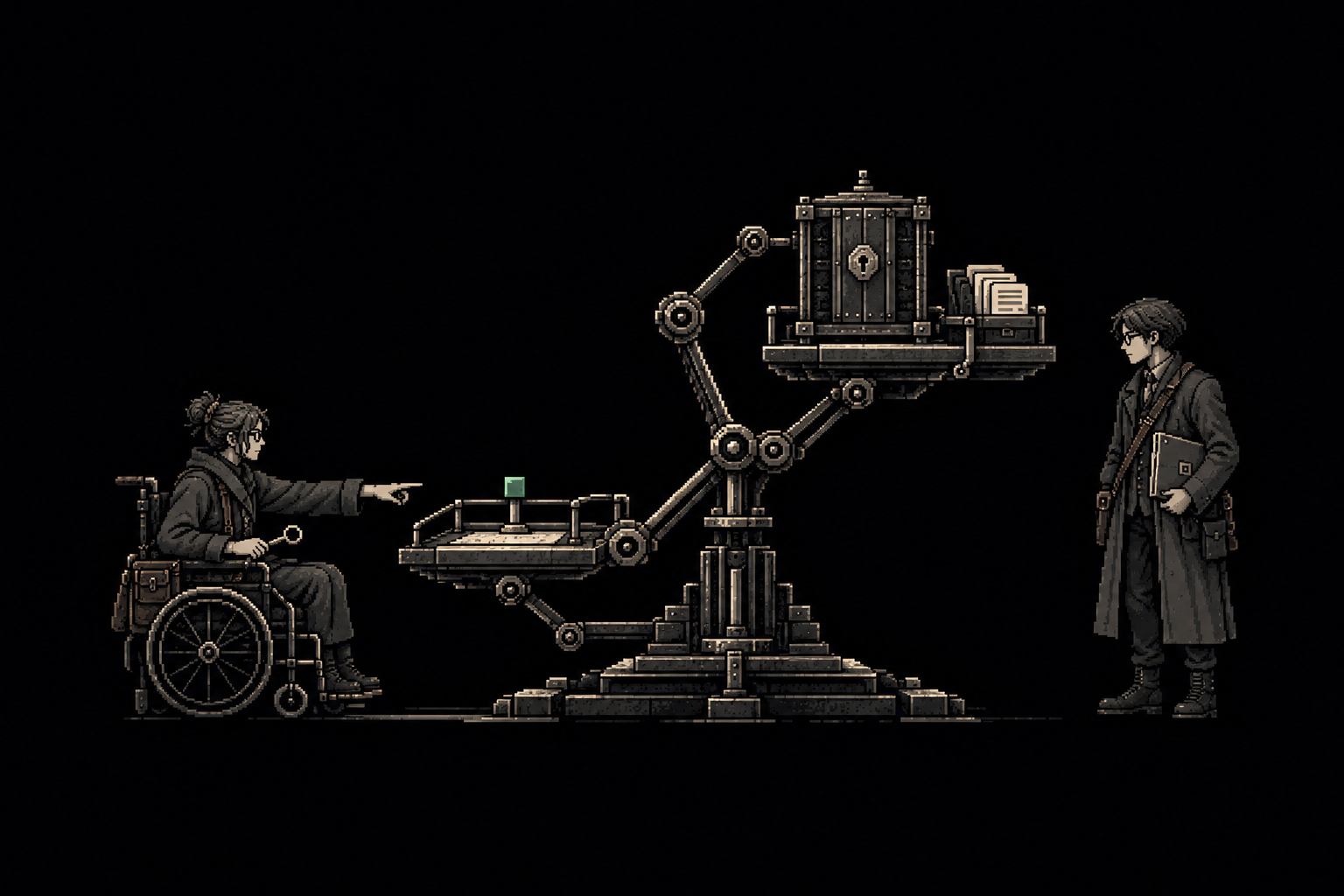
Several models can perform these roles, but assigning different model names does not establish independent review. A reviewer who sees the writer’s confident explanation may repeat it. Give the reviewer the requirements, evidence, and actual file, and ask for observable failures rather than general agreement with the production narrative.
An illustrative production run
Imagine a hypothetical short report for a neighborhood repair workshop. The input includes attendance records, a list of repaired items, and notes about incomplete work. The intended reader needs a concise account of what happened and what remains to be arranged. All records and quantities in this exercise are invented.
The research worker extracts the supported facts and keeps unresolved entries visible. The writing worker drafts the report without treating incomplete repairs as completed outcomes. The layout worker places the accepted text and a small table into a document template, then exports the file intended for delivery.
The verifier opens the rendered pages. A table row has moved onto a new page without its identifying heading. The verifier records the page and affected row, requests a layout repair, and checks the new export. Passing a source-level table check would not have found this reading problem.
Now introduce a factual defect deliberately. Change one figure in the rendered table while leaving the prose unchanged. The verification process should compare both against the accepted content record and fail the artifact. Visual inspection and factual comparison complement each other; a page can look correct while presenting the wrong number.
Make final inspection repeatable
Inspect every page at a readable scale. Check clipping, overlaps, blank pages, broken symbols, inconsistent alignment, and the relationship between headings and the material they introduce. Open links where they are part of the deliverable. For editable files, also check that essential elements remain editable in the intended application.
Accessibility requires checks beyond appearance. Verify reading order, meaningful headings, descriptive links, and appropriate alternatives for informative visuals where the output format supports them. A polished screenshot cannot establish that a screen reader can interpret the document correctly, so record which checks actually ran.
Bind the verification record to the file version. A successful inspection of yesterday’s PDF does not approve today’s export after a font or content change, because the new rendering can move a previously legible table, change a page break, or omit a symbol that the earlier review could see. When the artifact changes, rerun the checks affected by that change and inspect the final copy rather than assuming the repair preserved everything else.
Before increasing the workflow’s parallelism, complete one small report through all stages. Save its source evidence, accepted content, exported artifact, and review findings together. Deliver the version that passed the final checks, with any unresolved format limitation stated alongside the file so the recipient knows exactly what was inspected.
Source notes
Based on the February 2026 multi-agent document-production requirements. The workshop report and injected defects are illustrative acceptance exercises.