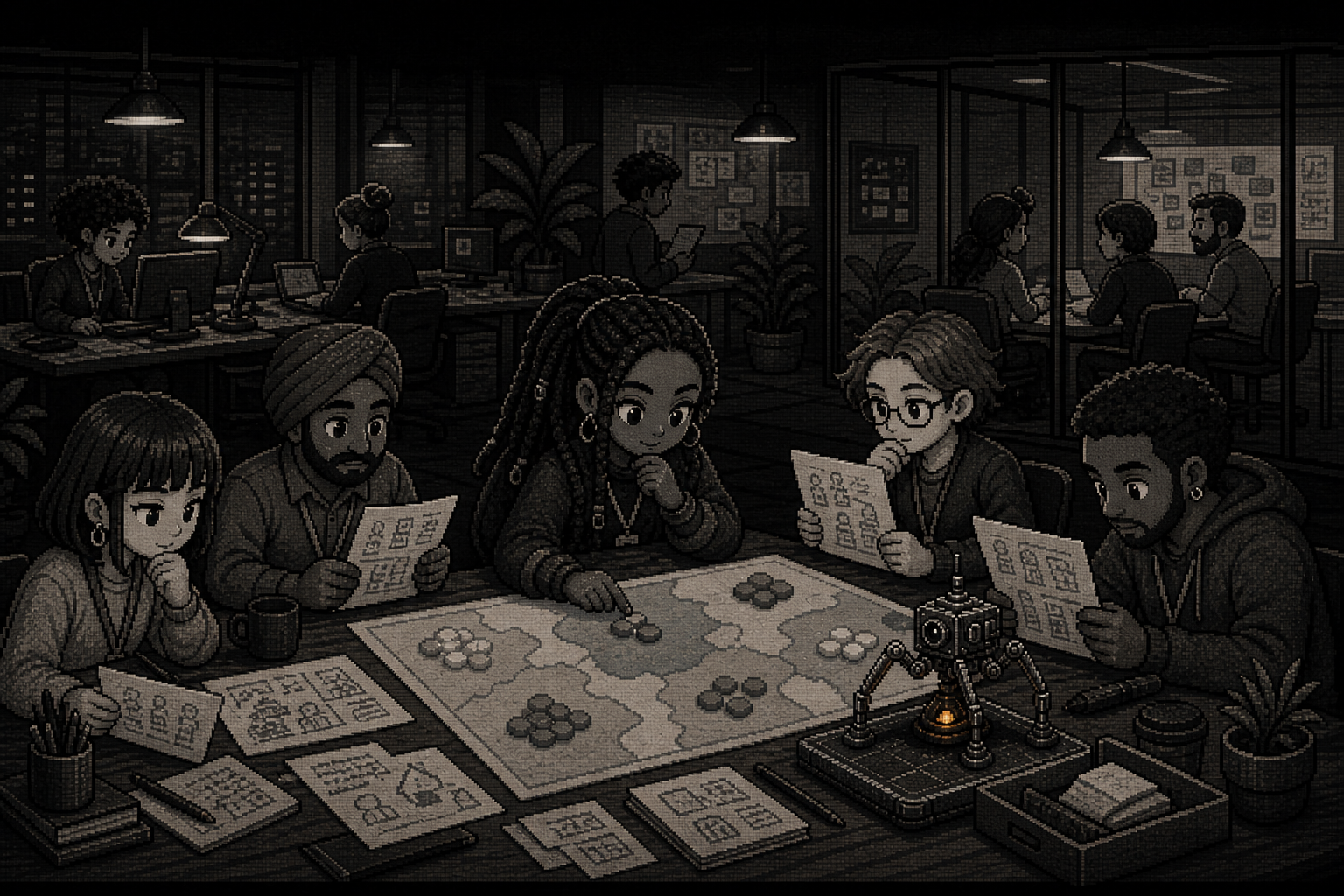
Oral History Begins With Interview Conditions
A careful oral history protects the narrator's time, verifies the record, and preserves the spoken account alongside its process history.
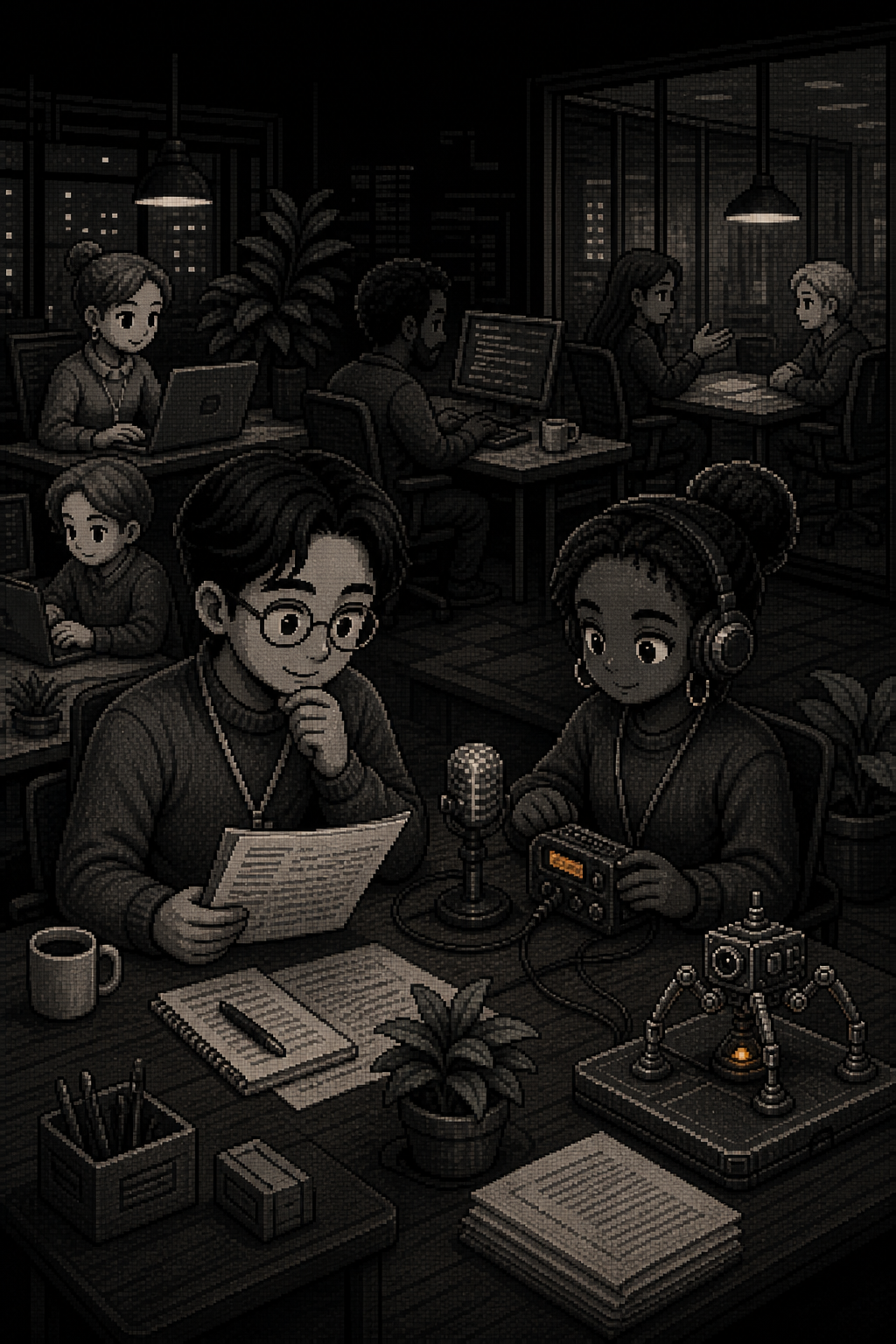
An oral-history interview should not feel like a forced march through a questionnaire. The conditions around the recording belong to the source record because they shape what a narrator can say, remember, correct, and later recognize as their own account; the room and the recorder are not neutral furniture around the “real” interview.
The practical sequence begins before the first question. The narrator selects the interview site. That choice can establish comfort, access, and a setting the narrator knows well. The interviewer confirms the appointment, practices with the recorder, records a formal introduction, and establishes the recording levels during an early meeting. These are ordinary tasks, but a poor recording level or an unfamiliar room can make a careful conversation hard to preserve.
The schedule needs clear limits: no session should exceed sixty minutes, and there should be no more than one session in a week. Those limits respect the narrator’s energy and give both people time to consider what has been said. They also protect against a common error in research work, where a long prepared question list becomes more important than the person answering it.
Rapport cannot be faked by adopting a conversational tone. The interviewer has to listen, make eye contact, and treat the narrator as the authority on their own experience, which is not the same thing as accepting every detail as settled fact. Let the account take its shape before moving into verification; a sequence remembered differently from a calendar, document, or another witness is information to preserve and check, not an ugly seam to edit out.
As soon as possible after each interview, the recording should receive a tape log and a transcription, and both should be made available to the narrator. The promptness matters. Memory of the conversation remains close, and the narrator can point out a name, date, phrase, or context that needs attention before the next meeting. A draft copy of the complete transcript goes to the narrator after the scheduled interviews conclude. Their notes and comments belong to the interview record.
This is not an argument for rewriting spoken language into polished prose. Preserve the conversational tone and spontaneity of the recording. A narrator’s speech pattern and tone should take precedence over grammatical editing. The interviewer reviews the transcript while listening to the tape, fills in missing names and dates, and fact-checks the record, but does not destroy the dialogue in pursuit of an elegant page.
Verification is the center of that work. Spoken accounts require checks for dates, names, and descriptions of events. When substantive discrepancies appear, the archive should identify them. The result is stronger when it keeps the difference visible than when it silently converts one version into a final official answer. A primary source document carries the speaker’s account, the conditions of its capture, and the researcher’s verification work together.
That approach also changes the interviewer’s relationship to an unfinished session. It is normal not to cover every topic in an hour. The narrator may reach a story that matters more than the next item on the outline. A second session can address the material that remains. The archive is not a radio segment with a fixed runtime; the purpose is to create a usable record without forcing the conversation to fit an artificial schedule.
When the work is complete, the archival object should contain more than an edited transcript. Preserve the history of the interview process, an overview interview and treatment, unedited transcripts, edited transcripts, and the oral-history recording itself. Each part answers a different question. The process history explains how the record came into being. The unedited and edited transcripts show the relationship between speech and revision. The recording preserves voice, pace, pause, and the details a text page cannot carry.
The resulting archive has room for correction without pretending the correction was absent. It retains the narrator’s words, the unedited and edited transcripts, the recording, and the path of verification together, so a later reader can hear both the account and the work done around it. That is a much larger object than a useful quotation clipped from sixty minutes of somebody else’s life.