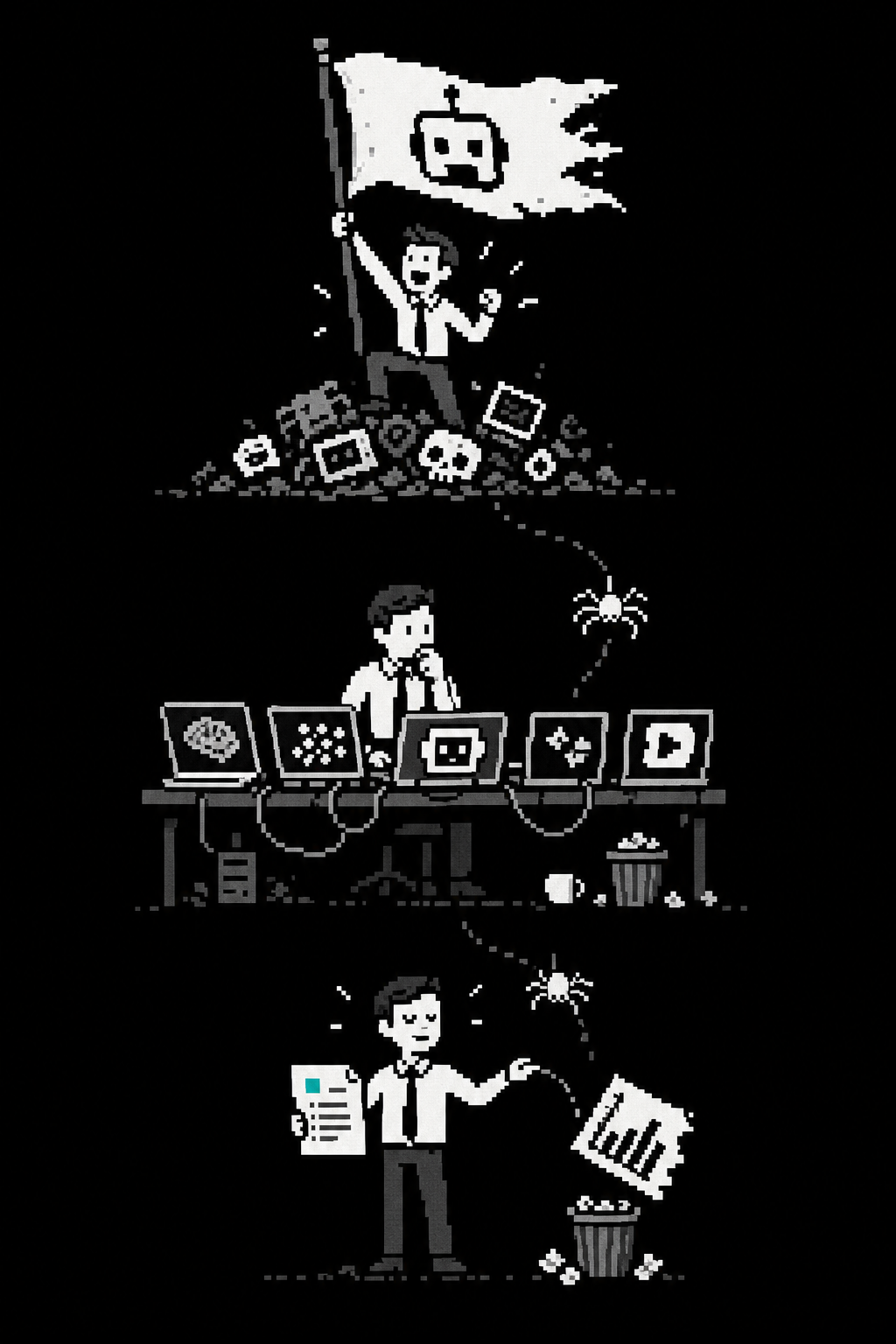
The AI Answer Is Only as Good as the Knowledge Behind It
A live HR search rollout found that AI adoption depended on source visibility, content quality, language, work context, and employees' ability to check an answer.
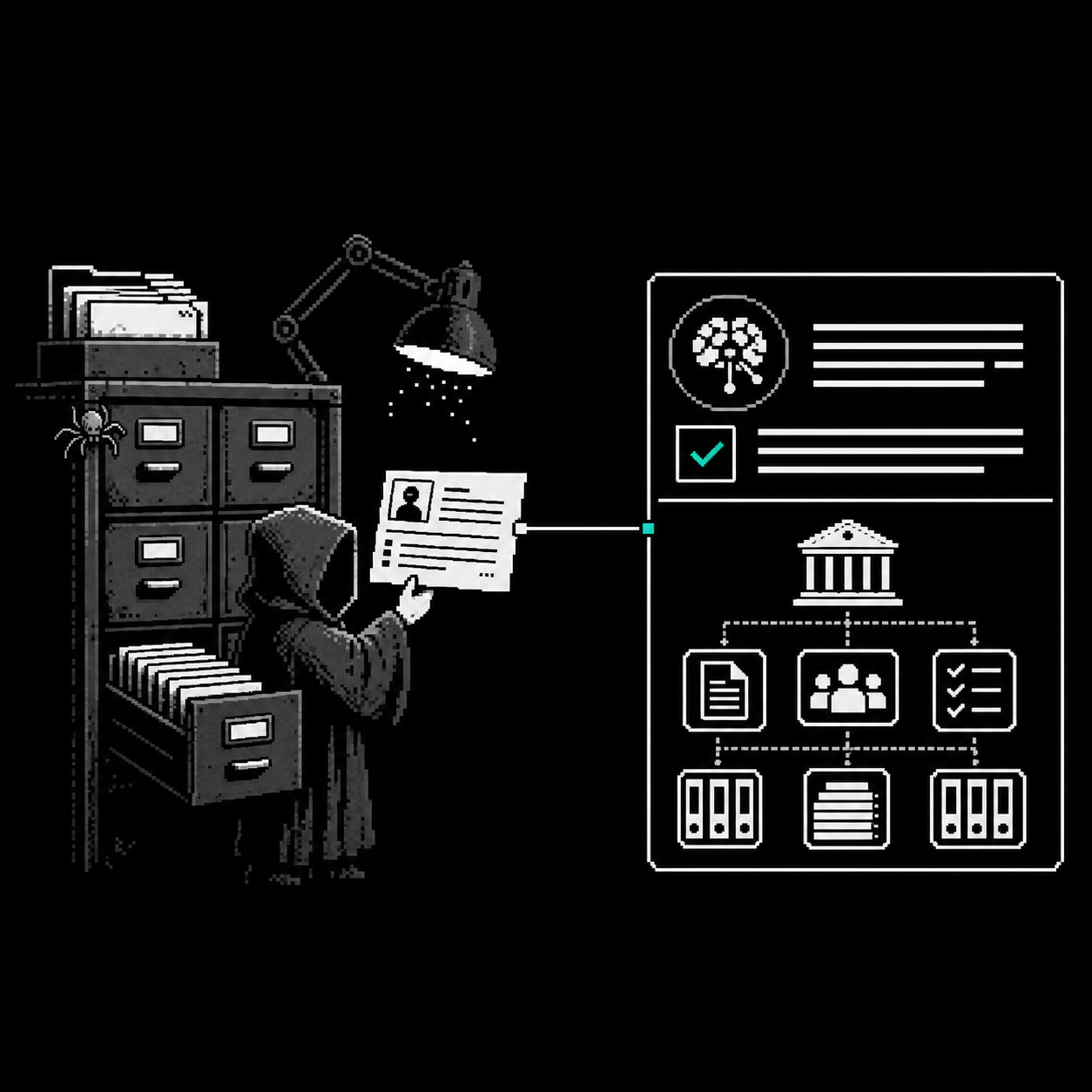
Scope note: This essay covers the conditions that made one company’s AI-assisted HR search useful and trustworthy. It does not measure the accuracy of every workplace search system or claim that one rollout represents every workforce.
An AI answer can sound finished while the knowledge beneath it is unfinished. That is not a model problem alone. It is an organizational problem with a fluent interface.
A new study followed a multinational technology company as employees moved from a conventional HR search tool to one that generated answers from internal HR material. The researchers examined search logs, surveyed 25 employees, and interviewed ten people across four countries. They found that adoption depended on much more than whether the new tool was available.
The practical finding is blunt: the knowledge base, its owners, its labels, its languages, and its routes back to a human are part of the AI system.
Access was not the same as inclusion
The new tool fit office workers with regular laptop access, confidence with digital systems, familiarity with company language, and support for their spoken language. That fit was weaker for shift workers, factory workers, people without regular computer access, and employees who did not know the organization’s HR terms.
Usage numbers can hide this difference. A high volume of searches from well-served office workers can make a system look broadly adopted while other groups barely appear in the logs. Absence then becomes invisible evidence.
The study also found that newer employees could have more reason to use the system because they were still learning policies and internal routes. Longer-tenured employees often already knew whom to ask and where to look. Low use did not necessarily mean resistance. Sometimes it meant the employee already had a better path.
That distinction matters. Adoption is not a single percentage. It is a question of who can get useful help, for which task, under which working conditions.
Trust required a way back to the source
Employees did not simply accept or reject the generated answer. They checked source links, compared systems, rewrote questions, asked colleagues, or went to HR when the answer carried real consequences.
The survey found that 13 of 25 respondents rarely or never opened the sources shown with generated answers. That number should not be read as simple overconfidence. Some answers were sufficient for low-risk questions. Other employees verified information through a different route.
The broader pattern is more useful: trust was built through repeated checks and available fallbacks. The AI sat inside a network of documents, coworkers, managers, and HR staff. Source links were not decoration. They were part of the accountability structure.
This is especially important in HR. An answer about leave, pay, benefits, or employment conditions can change a person’s decision. If an approved company system gives a confident but incomplete answer, the organization cannot quietly transfer all verification work to the employee.
Bad content survives a better interface
Generated answers depended on the quality of the HR articles behind them. Outdated pages, weak tags, vague titles, fragmented guidance, and poor localization made the system less reliable. Employees sometimes blamed the AI for failures that began in the content collection.
The reverse was also true. Structured, current, well-labeled material made useful answers possible.
This is the knowledge-management result I would carry into any enterprise AI program. Content maintenance is not housekeeping after the clever work. It is the work. An organization needs named content owners, clear review dates, useful metadata, local language coverage, failed-query audits, and a route for turning bad answers into repairs.
Training belongs in the same system. Employees needed timely examples of what the tool could answer, how to rephrase a failed question, when to inspect a source, and when to ask a person. One launch presentation could not provide that support at the moment of need.
The limit is real
This is one company, with a small and uneven survey sample. The new tool’s logs covered only two weeks, while the older system had a longer history. Several worker groups discussed in the findings were represented indirectly rather than sampled systematically.
The study therefore gives us a detailed case, not a universal adoption law. It still exposes a durable mistake: treating the model as the AI system and everything around it as preparation.
The answer begins long before the prompt. It begins with what the organization knows, who maintains it, who can find it, and who can prove that it is still true.